Is a Standing Seam Metal Roof Worth It for Minnesota Winters?
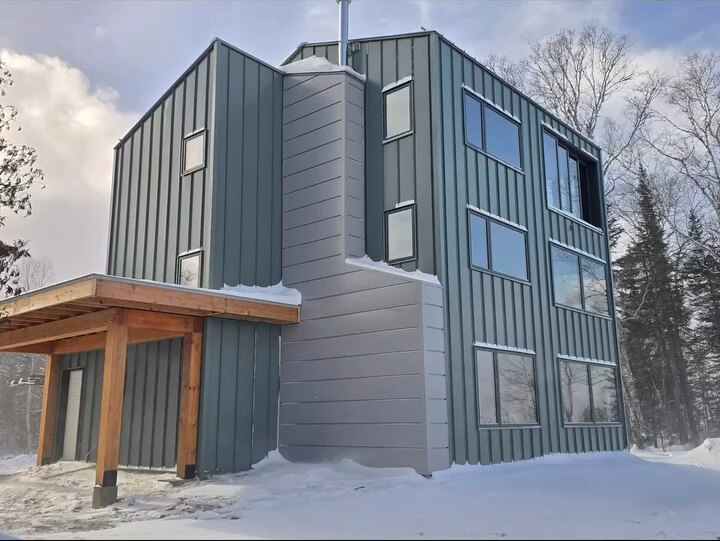
Short answer: yes, if the roof is built for it. A standing seam (hidden-fastener) metal roof handles the things a Minnesota winter throws at it better than shingles or an exposed-fastener panel, and it keeps doing it for decades. Here is what matters.
Snow load and ice
Standing seam panels are heavier gauge than exposed-fastener panels and lock together at the seams with no screw heads through the face of the panel. That gives them superior snow load capacity and better weather resistance in ice storms and strong winds. There are no exposed fasteners to back out, loosen or leak when the roof cycles through freeze and thaw all winter.
Hail and wind
Hail cannot penetrate a metal roof. A severe storm can dent a panel the way it dents a car, but the roof stays intact and watertight, so replacement is rarely needed. The same holds for the wind that comes with those storms.
Cold, heat and the years in between
A steel roof lasts until it rusts, and that takes a long time. It shrugs off ice storms and strong winds in January and intense heat in July, and its reflective surface helps keep the building cooler in summer. Basic care keeps it that way: rinse it twice a year, keep sap, pine needles and debris off it, and keep the gutters clear.
Where standing seam is the wrong choice
- Low pitch. Do not put an exposed-fastener system on a pitch under 3:12; talk to us about the right panel for a low-slope roof.
- Over old shingles. We generally do not recommend installing metal over an existing shingle roof. It can void the warranty, and leaks, rotten sheeting or sagging trusses need to be fixed first.
- HOA or historic district rules. Check color and material restrictions before you order.
Why on-site roll forming matters in winter
Long runs, hips, valleys and dormers are where a roof leaks. We bring the roll former to the job and form each standing seam panel to the exact length that plane needs, so long runs go on in one piece with no end-laps, less waste and no transport damage. Our steel panels and trim are American made and American finished, and we can have material ready in as few as five days. See how Onsite! roll forming works.
Colors Minnesotans pick
Forest green, dark bronze, gray and earth tones are the most common choices here. See the color chart, and check with your HOA or city first if that applies.
Have a roof to talk through before the snow flies? Call or text Onsite! at 612-518-8599.
Frequently asked questions
Is a standing seam metal roof worth it in Minnesota?
Yes, for most homes and buildings. Standing seam panels are heavier gauge with hidden fasteners, so they carry snow load better, resist ice storms and wind, and have no exposed screws to loosen in freeze-thaw cycles. They last until the steel rusts, which takes decades with basic care.
Does hail damage a standing seam metal roof?
Hail cannot penetrate a metal roof. Severe hail can dent panels, but the roof stays intact and watertight, so replacement is rarely necessary.
Can a metal roof go over my old shingles?
We generally do not recommend it. Installing over shingles can void the warranty and hides problems like rotten sheeting. Check with your local building department and fix any structural issues first.
How long does a steel roof last in Minnesota?
Until it rusts, which takes a long time. Rinse it every six months, keep debris off it and keep the gutters clean, and it will outlast shingles by decades.